
Therapy can reduce compassion fatigue and restore your ability to care safely. A 2024 systematic review and meta-analysis found that psychological interventions produce a meaningful drop in symptoms, with online formats showing especially strong results. If you recognize the signs in yourself, the most useful next step is a trauma-informed assessment or a short connection call with a therapist who treats compassion fatigue directly.
TL;DR:
- A 2024 review and meta analysis found psychological interventions reduced symptoms substantially, with a pooled effect size of SMD 0.95; study formats and populations varied.
- Flashbacks, intrusive imagery, or hyperarousal point toward secondary traumatic stress, so seek trauma focused care; exhaustion alone may call for CBT, ACT, or mindfulness.
- Therapists typically begin with an assessment, then schedule weekly or biweekly 50 to 60 minute sessions; online and in person formats both have research support.
- Self compassion paired with a concrete boundary, such as ending a shift on time, performed better than self compassion training alone in one trial.
- Seek immediate help for suicidal thoughts, sharply declining daily functioning, or trauma symptoms that disrupt sleep or safety; ask therapists about supervised trauma training.
Compassion fatigue shows up as emotional exhaustion, a sense of numbness toward people you once cared about deeply, reduced compassion satisfaction, and sometimes intrusive thoughts about the suffering you have witnessed secondhand.
Clinical research describes a five-stage progression: experience, decrement, discomfort, distress, and the full compassion fatigue period. Catching the pattern at the discomfort or distress stage, rather than waiting until you are in crisis, improves recovery chances.
The Professional Quality of Life Scale (ProQOL) is used clinically to distinguish compassion fatigue, burnout, and secondary traumatic stress (STS), each of which calls for a different treatment focus. Burnout tends to center on workload and depersonalization, while STS and PTSD involve re-experiencing and hyperarousal tied to someone else’s trauma. If your symptoms include flashbacks or intrusive imagery rather than just exhaustion, you may be dealing with unprocessed trauma that needs trauma-focused care, not just rest.
The strongest evidence we have comes from a 2024 systematic review and meta-analysis pooling multiple intervention studies. Psychological interventions for compassion fatigue produced a pooled effect size of SMD = -0.95 (95% CI, -1.63 to -0.27; P = .006), a large effect by conventional standards. That means people who received treatment showed a substantially greater reduction in compassion fatigue symptoms than those who did not.
The same review found that online interventions had particularly large effects, which matters if your schedule makes weekly in-person sessions hard to sustain. A separate randomized controlled trial of Emotion-Focused Training for Helping Professionals (EFT-HP) reported significant reductions in secondary traumatic stress and burnout, with gains still present at follow-up approximately two months later. Participants who combined self-compassion training with concrete skills like assertiveness and boundary-setting had better outcomes than self-compassion training alone.
These findings come with caveats worth naming honestly. The studies pooled in the meta-analysis varied in intervention length, delivery format, and the populations studied, which produced wide confidence intervals. That heterogeneity doesn’t erase the effect, but it does mean results vary by program quality and your own starting point. The takeaway is still clear: structured psychological intervention, delivered consistently, moves the needle on compassion fatigue in a way that simply “pushing through” does not.
Several evidence-based modalities show up repeatedly in compassion fatigue research, each suited to a slightly different presentation.
Pro Tip: If your main symptom is exhaustion without intrusive memories, start with CBT, ACT, or mindfulness-based work; if you notice flashbacks or a racing heart when certain situations come up, ask specifically about EMDR or Brainspotting.
Trauma-specific methods should come from a clinician with supervised trauma training, since STS symptoms respond differently than general stress does.
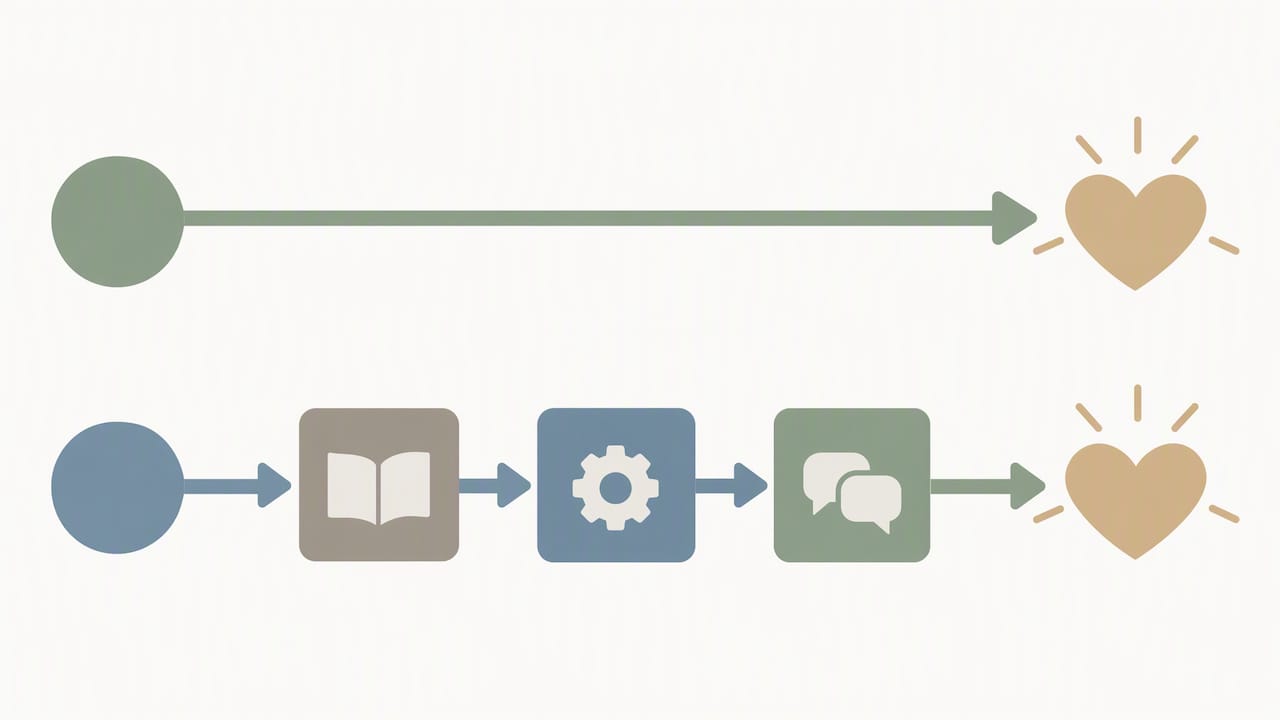
A first session typically starts with an assessment: your history, current symptoms, and what’s driving the exhaustion, whether that’s caseload, a single traumatic case, or years of accumulated exposure. From there, most therapists build a plan around weekly or biweekly sessions running 50 to 60 minutes, adjusting the modality as symptoms shift.
Online therapy shows strong effect sizes in recent research and expands access for caregivers who can’t easily get to a clinic during business hours. In Canada, session costs typically run within a typical range depending on the provider’s credentials and location depending on the provider’s credentials and location, with virtual sessions sometimes priced lower. Extended health benefits, employee assistance programs (EAPs), and medical tax credits can offset the cost, and it’s worth asking any clinic directly about sliding-scale options or a free introductory call before committing.
While you arrange professional support, a few concrete steps reduce harm in the meantime, including learning about emotional support animal benefits and how to get a valid ESA emotional support animal benefits and how to get a valid ESA.
Pro Tip: Self-compassion paired with a concrete boundary works better than either one alone, according to the EFT-HP trial’s findings on combined skills training.
Seek immediate or crisis care if you notice suicidal thoughts, a sharp decline in your ability to function day to day, or intrusive trauma symptoms that interfere with sleep or safety.
When choosing a therapist, look for:
A short connection call is the easiest way to ask these questions directly before booking a full session.
We treat compassion fatigue as a trauma-informed issue, not just fatigue management. Our team works with trauma-focused and evidence-based therapy approaches, matching the approach to whether exhaustion, intrusive symptoms, or relationship strain is driving your distress. Every client starts with an introductory call, so you can describe what you’re carrying before a treatment plan is built around it.
Therapy restores your capacity to care without depleting yourself, but it works best alongside the systems around you. Individual sessions rebuild resilience; they don’t replace fair caseloads, real supervision, or a workplace that takes secondary trauma seriously. Lasting recovery usually means pairing therapy with peer support and, where possible, pushing for the organizational changes that reduce ongoing exposure.
— Deane
We offer trauma-focused and evidence-based therapy modalities across online and in-person sessions, built around the idea that you shouldn’t have to guess whether a therapist understands secondary trauma before you walk in. Every client begins with an introductory call, so you can ask about fit, modality, and scheduling before committing to anything.

If intrusive trauma symptoms are part of what you’re carrying, our EMDR Therapy page outlines what that process looks like in more detail. Reaching out for a connection call costs nothing and takes fifteen minutes.
This article is general information, not a substitute for advice from a qualified doctor. Consult a qualified healthcare professional about your own circumstances before acting on anything here.
Compassion fatigue typically involves emotional exhaustion, numbness toward the people you care for, and reduced satisfaction from helping, sometimes alongside intrusive thoughts. Burnout overlaps but centers more on workload exhaustion and cynicism without the secondary trauma component.
Clinical research describes five stages: experience, decrement, discomfort, distress, and the full compassion fatigue period, where symptoms become persistent and impairing. Catching the pattern during the discomfort or distress stages generally leads to faster recovery than waiting until the final stage.
Trauma fatigue, often called secondary traumatic stress, includes intrusive thoughts, hyperarousal, and emotional numbing tied to repeated exposure to other people’s suffering. These symptoms differ from general exhaustion in that they resemble a trauma response and often respond better to trauma-focused methods like EMDR than to general stress management.
Compassion fatigue is not the same as PTSD, though it can include secondary traumatic stress symptoms that resemble it, such as intrusive memories and hyperarousal. The distinction matters clinically because STS symptoms often call for trauma-specific treatment rather than general counseling.
Recovery timelines vary depending on severity and how early treatment starts, with early-stage intervention generally producing faster improvement. For a closer look at what recovery timelines can involve, our burnout recovery guide walks through what to expect at different stages.