
Have you noticed that you’ve suddenly been reacting strongly to a colleague’s comments? Or maybe a small misunderstanding triggered a bigger reaction you didn’t expect? Moments like these may point to unprocessed trauma from an experience that you’ve never fully worked through or addressed.
Knowing the signs of unprocessed trauma is an important first step toward truly understanding what your body and mind have been trying to tell you.
PTSD and trauma counselling in Calgary, Red Deer, and Cold Lake is available for those seeking support in making sense of these confusing patterns.
Unprocessed trauma comes from a distressing experience that wasn’t fully worked through at the time. It might come from a single incident, like an assault, or from repeated experiences, like ongoing conflict. When trauma isn’t processed, it becomes “stuck,” leading to unexpected emotional, physical, or behavioural responses later on.
These reactions happen because your nervous system was protecting you in the moment, and those protective responses can linger long after the situation ends. It’s important to know that unprocessed trauma is never a sign of weakness or failure.
Processing your trauma with the right support helps your nervous system settle and allows you to regain greater control over your well-being.

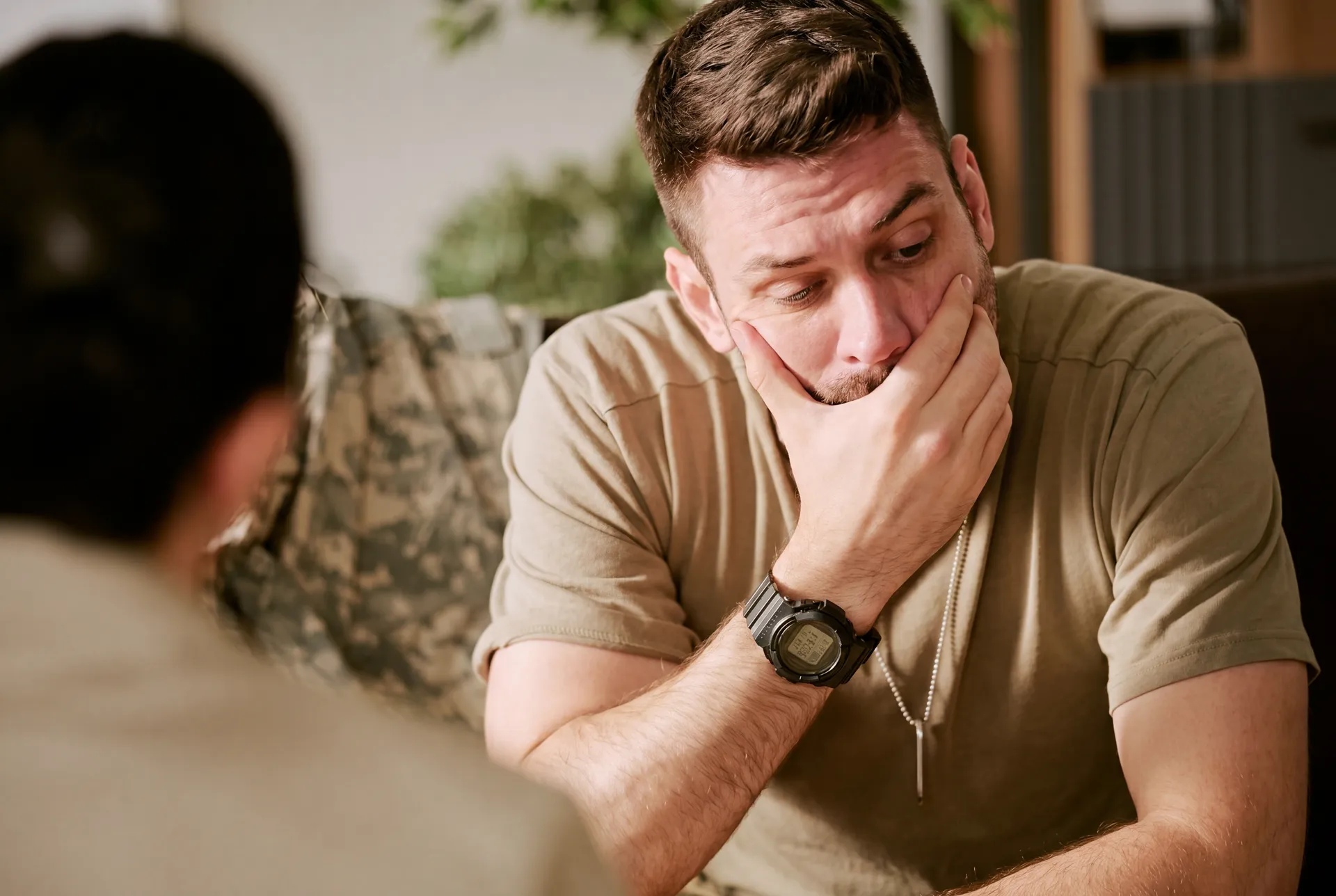
Trauma affects all of us differently, but there are common signs that signal your mind and body are still reacting to past experiences.
Emotional Signs
Your emotions are heightened when reacting to trauma triggers. To name a few:
These emotions can pop up at any time, even when there’s no obvious reason.
Physical Signs
Trauma also shows up in the body and affects day-to-day functioning. Common signs include:
Physical signs of unprocessed trauma are often stress-related symptoms.
Behavioural Indicators
Your behaviour is closely related to how you protect yourself from trauma. That’s why these responses can continue when trauma remains unresolved:
These signs aren’t a sign of weakness, butis your mind and body’s way of coping with past trauma.
Trying to manage trauma on your own can feel overwhelming because it involves addressing the root of the experience. A therapist can guide you through a safe and structured approach to process trauma.
Consider professional support if you notice situations like:
With professional support, you’ll be able to understand these patterns and learn healthier ways to respond.
Unprocessed trauma shows up in many ways, including sudden physical and emotional reactions to patterns in behaviour that are hard to change,. Being able to identify (and acknowledge) these signs is the first real step to recovery.
With guidance from a trained therapist, you can regain control over your emotions and slowly but surely reduce the trauma’s impact on your daily life. Over time, you’ll be able to rebuild trust in yourself and others.
Healing is possible, and you don’t have to do it alone. Supporting Wellness offers accessible support in Red Deer, Cold Lake and Calgary. We provide a range of mental health services, including specialized PTSD and trauma counselling, both in-person and online. Our therapists and psychologists provide flexible options to meet your needs close to home.
Contact us today to start turning unhelpful patterns into healthier ways of moving forward.