
The Gottman Method is a structured, research-based approach to couples therapy that targets communication patterns, conflict management, and friendship within a relationship. Developed from decades of observing how couples interact, it aims to replace criticism and defensiveness with skills that rebuild trust and connection. Research supports its core techniques, though newer reviews note real limits on how strong that evidence actually is.
TL;DR:
- The Gottman Method focuses on observable relationship behaviors and skills, emphasizing repairing trust, managing conflict, and building friendship.
- Assessment using the Gottman Relationship Checkup helps identify which areas, like trust or connection, need the most attention before therapy begins.
- Its core skills target four conflict behaviors—criticism, contempt, defensiveness, stonewalling—and incorporate techniques like soft start-ups and repair attempts.
- Although promising in some contexts, recent reviews note limited strong empirical support and small-scale studies, especially for predicting divorce.
- It suits couples with everyday conflicts or trust issues but is unsuitable for those experiencing severe abuse or coercive control without prior safety planning.
The Gottman Method grew out of research by John and Julie Gottman, whose work on couple interaction patterns shaped a model now used by therapists worldwide. Rather than relying on abstract theories about personality or attachment style, the method focuses on what couples actually do: how they argue, repair, and stay connected day to day. The Gottman Institute organizes this work around a framework called the Sound Relationship House, which treats a relationship like a structure built floor by floor.
The core floors include:
This structure makes relationship skills observable and teachable rather than vague advice to “communicate better.”
Therapy typically opens with a structured assessment rather than jumping straight into problem-solving. According to the Gottman Institute, this process generally includes:
The Checkup results give a therapist a clearer picture of which floors of the Sound Relationship House need the most attention, whether that is repairing trust after a betrayal or simply rebuilding everyday connection. From there, a therapist sets specific goals and recommends a format: ongoing weekly sessions, an intensive workshop, or a combination of both depending on what the assessment reveals.
Much of Gottman-based work centers on recognizing and interrupting four specific conflict behaviors known as the Four Horsemen: criticism, contempt, defensiveness, and stonewalling. Each has a documented antidote, such as replacing criticism with a gentle, specific complaint or replacing defensiveness with taking responsibility for one’s part.
Other core tools include:
Physiological flooding, when a partner’s heart rate spikes past 100 beats per minute during conflict, is a documented predictor of fight-or-flight reactions that shut down productive conversation, according to Gottman Institute research. Couples learn self-soothing techniques, like taking a timed break, to calm this response before returning to the conversation.
Pro Tip: A repair attempt does not need to be eloquent. Even an awkward “can we start over” lands well when both partners have built up enough goodwill.
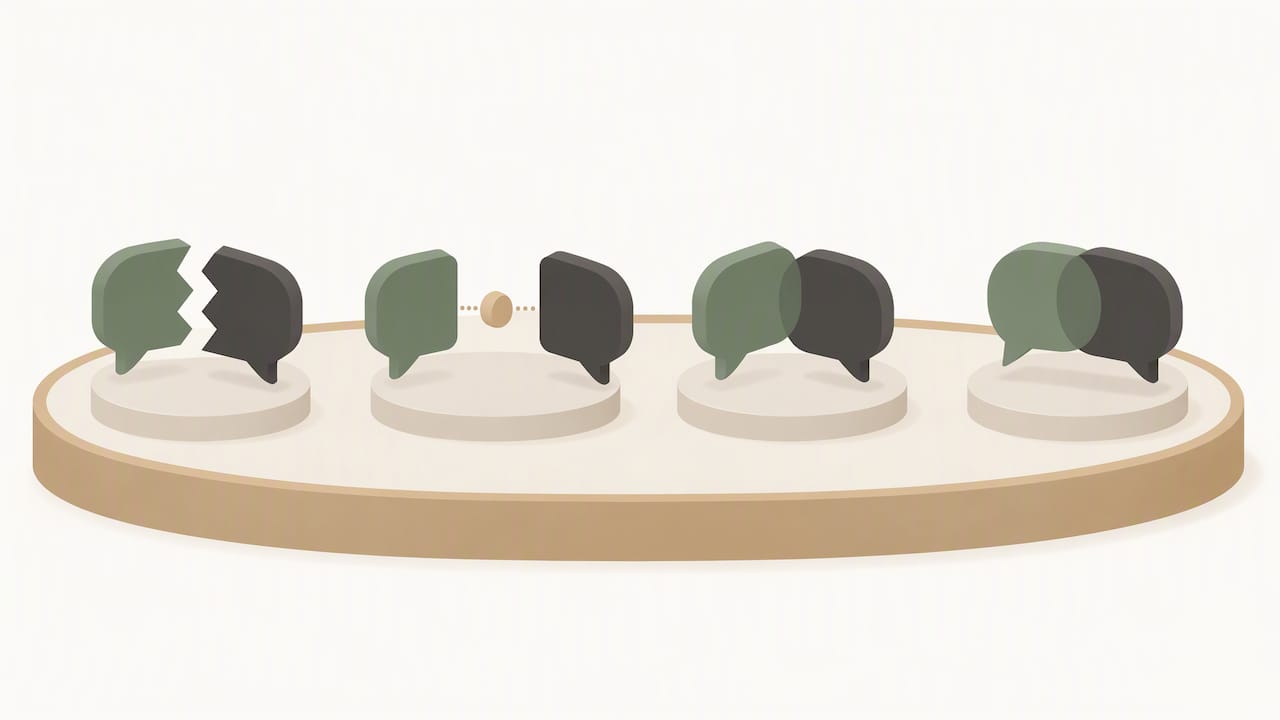
The evidence base for the Gottman Method is real but bounded. A 2026 systematic review applying strict Chambless criteria across multiple couple-therapy models found that none, including the Gottman Method, met the threshold for “strong” empirical support; most studies were limited by small sample sizes and a lack of independent replication.
No couple therapy model currently meets the strictest criteria for strong empirical support, with insufficient sample size and lack of independent replication cited as the main limitations across the field.
Some of the method’s early claims have also drawn scrutiny. A frequently cited figure claiming 93.6% accuracy in predicting divorce came from a 1992 study of just 73 couples, and critics note it has never been prospectively cross-validated at that scale. On the other hand, reviews summarizing trial data point to encouraging results in specific contexts, such as affair recovery and combining an intensive workshop with follow-up therapy, though many of these studies remain pilot-sized rather than large, independently replicated trials.
The Gottman Method tends to suit dating, engaged, and married couples across a range of backgrounds who want to strengthen communication or work through a specific rupture like infidelity. It is not designed as a first-line response to relationships involving domination-based or severe intimate partner violence.
Most couples can expect somewhere in the range of 8 to 12 sessions for focused concerns, though timelines vary with the complexity of what a couple is working through. Research summarized by Verywell Mind suggests that pairing an intensive workshop with follow-up therapy sessions often produces stronger, more lasting results than either format alone.
For a deeper look at how couples counselling improves communication and connection, it helps to understand what ongoing sessions actually build toward beyond a single workshop weekend.
We draw on evidence-based approaches, including the Gottman Method alongside EMDR and Brainspotting, because couples arrive with different needs and no single framework fits everyone; knowing how to find the right provider is essential, as explained in this practical guide for adults choosing a therapist. Every relationship starts with an initial connection call, giving both partners a chance to ask questions before committing to anything. The therapy team assesses fit first, then builds an individualized plan that may blend Gottman tools with other approaches depending on what the assessment reveals, whether that is a trust rupture, communication breakdown, or ongoing disconnection.
— Deane
If you and your partner are ready to address recurring conflict or rebuild connection, marriage and couples counselling gives you a structured, judgment-free place to start, available both in person and online.
We offer every new client a free 15-minute connection call so you can ask questions and get a feel for whether a therapist is the right match before your first paid session. From there, you can explore our full range of services, including couples counselling, EMDR, and Brainspotting, tailored to what you and your partner actually need. Book your free connection call today to take the first concrete step toward a stronger relationship.
This article is general information, not a substitute for advice from a qualified doctor. Consult a qualified healthcare professional about your own circumstances before acting on anything here.

The Gottman Method is built around the Sound Relationship House, which includes components like building Love Maps, nurturing fondness and admiration, turning toward bids for connection, managing conflict, creating shared meaning, and building trust and commitment. These components work together rather than as a strict numbered checklist, with each floor supporting the ones above it.
Therapists trained in this method watch closely for the Four Horsemen: criticism, contempt, defensiveness, and stonewalling, since these patterns are strongly associated with relationship breakdown. Gottman Institute research also flags physiological flooding, a rapid heart rate during conflict, as a sign that a couple needs tools to de-escalate before productive conversation can happen.
Unlike approaches rooted mainly in talk-based exploration of feelings, the Gottman Method emphasizes observable behavior patterns, standardized assessment through tools like the Gottman Relationship Checkup, and specific, teachable skills such as soft start-ups and repair attempts. This makes progress easier to track session to session compared to less structured models.
A 2026 systematic review found that no couple therapy model, including the Gottman Method, met the strictest criteria for “strong” empirical support, citing small sample sizes and limited independent replication as key weaknesses. Early claims about predicting divorce with over 90% accuracy have also been criticized, since that figure came from a small 1992 study that was never prospectively validated at scale.
It generally works well for couples facing communication breakdowns, trust issues, or everyday conflict, but it is not recommended as a first step for relationships involving severe or coercive intimate partner violence. In those cases, a safety assessment and individual trauma support typically need to come before any joint sessions are considered.