
Cognitive behavioral therapy and dialectical behavior therapy are both evidence-based, but they solve different problems. CBT usually fits focused issues like anxiety, depression, and OCD, where the goal is changing specific thought patterns. DBT was built for chronic emotional dysregulation, self-harm, and borderline personality disorder, where stabilization comes first. Many people benefit from a blended approach, and a connection call with a clinician can help you figure out which path, or combination, makes sense for you.
TL;DR:
- CBT often runs 6 to 20 weekly sessions, and online programs can be a starting point when access is limited; expect homework between appointments.
- Full model DBT combines individual therapy, a weekly skills group lasting about two hours, phone coaching, and clinician consultation over six months to a year.
- If safety concerns persist, discuss whether a skills only group lacks the individual support and crisis coaching of comprehensive DBT.
- After crises ease, therapists may shift from DBT skills to targeted CBT or trauma focused work, rather than treating the approaches as alternatives.
- Direct trials comparing CBT with DBT are limited, so clinicians rely mainly on each therapy’s evidence for its intended conditions.
CBT rests on a simple but powerful idea: your thoughts, feelings, and behaviors are connected, and changing one shifts the others. If you can identify a distorted or unhelpful thought, you can challenge it, test it against evidence, and replace it with something more accurate. That shift in thinking tends to ease the emotional weight behind it.
In session, your therapist will likely walk you through a mix of techniques depending on what you’re working on:
CBT is typically time-limited. A course often runs somewhere between 6 and 20 sessions, with weekly meetings and a clear beginning and end, according to SimplyPsychology’s comparison of the two models. That structure appeals to people who want a defined commitment rather than open-ended therapy.
The evidence base is strongest for generalized anxiety disorder, social anxiety, panic disorder, depression, OCD, PTSD, and insomnia. If your struggle centers on a specific pattern of thinking, worry, or avoidance, CBT has decades of research behind it for exactly that kind of problem.
CBT is also widely available online, and many health systems use it as a first step in stepped-care models, offering lower-intensity digital programs before moving to in-person therapy if needed.
DBT was developed for people whose emotional intensity outpaces their coping skills, originally for chronic suicidality, and it carries a distinct philosophy: validation and change have to happen together, with practical strategies to manage emotional dysregulation first. You’re not broken for feeling intensely, and you can still build skills to manage that intensity more effectively. This dialectic, holding both truths at once, is where the therapy gets its name.
DBT organizes its skills training into four modules:
A full DBT program is more involved than standard CBT. It typically combines individual therapy, a weekly skills group lasting around two hours, between-session phone coaching for real-time crisis support, and a therapist consultation team that supports the clinicians themselves. Comprehensive programs often run six months to a year or longer, according to SimplyPsychology’s program breakdown.
DBT’s strongest evidence is for borderline personality disorder, recurrent self-harm, and chronic suicidal behavior, and it has also been adapted for eating disorders and substance-use treatment. Health Canada notes that psychological supports like DBT are a vital component of comprehensive substance-use treatment plans, and the approach is used within Canadian institutional settings for personality disorders and impulse-control issues.
The two therapies diverge on focus, intensity, and what they ask of you as a client.
HereToHelp BC’s guidance on the two approaches makes a point worth repeating: neither therapy is inherently better. CBT tends to suit conditions driven by distorted thoughts, while DBT suits chronic emotional dysregulation and self-harm, and the right choice depends on your specific presentation and goals.
Moderate-quality evidence supports DBT as one of several effective psychotherapies for borderline personality disorder, and research summarized by the APA cautions that brief interventions under three months are usually insufficient for BPD. That timeline matters when you’re weighing how much time you can realistically commit.
Head-to-head trials comparing CBT and DBT directly are limited, so most of what we know comes from comparing each therapy’s own outcome studies against its target condition, rather than from pitting the two against each other.
CBT tends to suit people dealing with a specific, nameable problem: a particular anxiety disorder, a discrete depressive episode, OCD, or a phobia that’s narrowing your life. If you’re someone who wants a shorter, structured course with a clear endpoint, and you’re willing to do homework between sessions, CBT’s model is built for that.
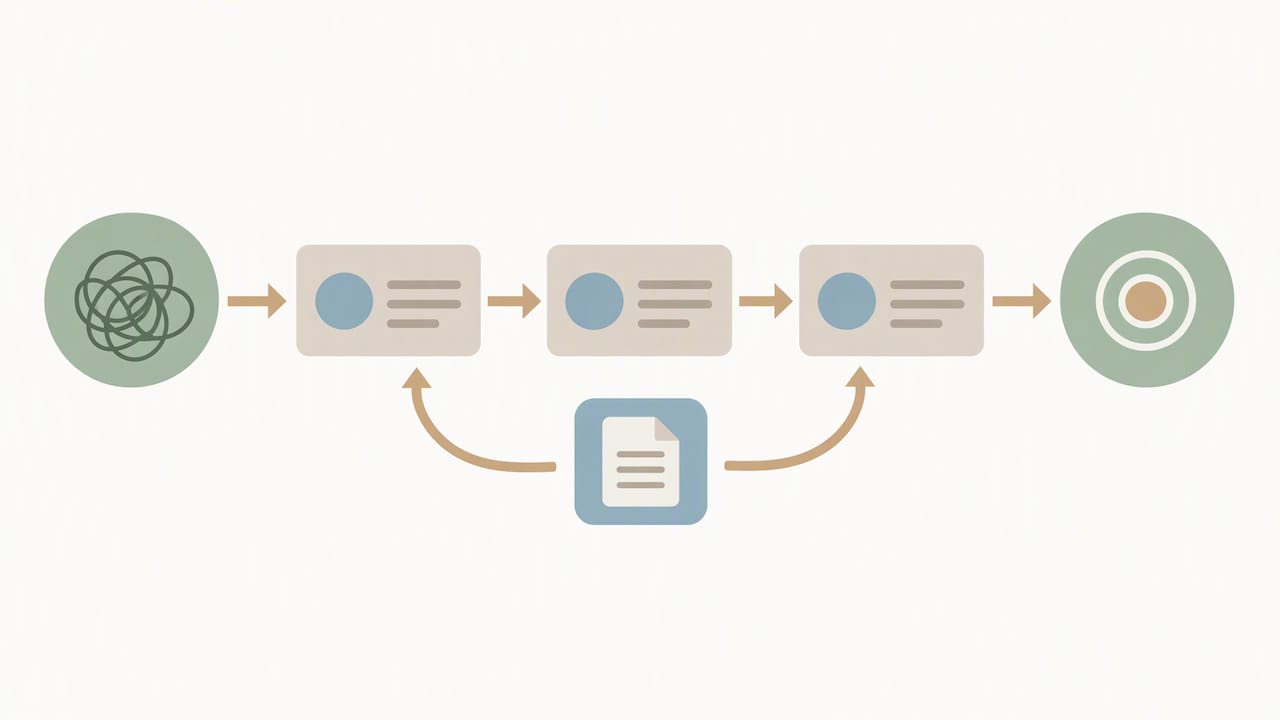
Readiness matters here. CBT asks you to actively apply cognitive techniques outside the session, so some capacity for reflection and follow-through helps the process move faster.
Before booking, it helps to ask a potential therapist:
Pro Tip: Ask whether your first course will include a formal symptom measure, like a standardized anxiety or depression scale, repeated every few sessions. It gives you an objective read on whether the therapy is working.
Online CBT programs and stepped-care models can be a reasonable starting point if access is limited, and many people complete a short course and don’t need ongoing therapy afterward.
DBT tends to fit people whose struggles go beyond a single diagnosis: recurrent self-harm, suicidal thoughts or behavior that keep resurfacing, a borderline personality disorder diagnosis, or a pattern of repeated crisis visits or hospital stays tied to overwhelming emotion.
Full-model DBT asks more of you than CBT does. Group attendance, phone coaching availability, and a longer time horizon all exist because the research shows that stripped-down versions tend to produce weaker outcomes for the people who need DBT most.
When you’re evaluating a program, it’s worth asking:
Skills-only DBT groups exist and can help some people build coping tools, but they trade away the coaching and individual support that full-model DBT relies on for higher-risk presentations. If your situation involves ongoing safety concerns, that trade-off is worth discussing directly with a clinician.
In practice, these two therapies aren’t always an either-or choice. SimplyPsychology notes that clinical practice frequently uses DBT skills as a stabilizing first step, then shifts into targeted CBT or trauma-focused work once emotional intensity is more manageable. That sequencing makes clinical sense: it’s hard to do the precise cognitive work CBT asks for when you’re in the middle of an emotional crisis.
Two pathways show up often:
If you’re discussing an integrated plan with a therapist, ask for measurable goals and a set review point, maybe at six or twelve weeks, so you both know when to reassess whether the current mix is working or needs to shift.
We offer evidence-based therapy alongside specialized approaches like EMDR and Brainspotting, and we built our individual counselling services around matching treatment to the person, not the other way around. Every new client starts with a free 15-minute connection call, where we talk through what’s going on, what you’ve tried before, and what kind of program, whether CBT, DBT, or a blend, is likely to fit best.
That conversation also covers practical logistics: session format, direct billing, and scheduling across our Calgary, Red Deer, and Cold Lake locations. From there, you can explore our full range of services with a clearer sense of where to start.
The best therapy outcomes come from matching the approach to what someone actually needs right now, not from loyalty to one model. Stabilization, a strong therapeutic alliance, and measurable goals matter more than which acronym is on the treatment plan. Switching models, or blending them, is common and often the sign of a plan working as intended.
— Deane
Deciding between CBT and DBT doesn’t have to happen on your own. A free 15-minute connection call gives you a chance to describe what you’re dealing with and get a clinical read on which approach, or combination, fits your situation before you commit to a full course.

Here’s what that process typically looks like:
If cost is a concern, our affordable counselling option in Calgary offers a lower-rate path to the same evidence-based care.
This article is general information, not a substitute for advice from a qualified doctor. Consult a qualified healthcare professional about your own circumstances before acting on anything here.
CBT stands for cognitive behavioral therapy, a structured approach that targets the link between thoughts, feelings, and behaviors. DBT stands for dialectical behavior therapy, a skills-based model built around balancing acceptance with change, originally developed for chronic emotional dysregulation and self-harm.
Nothing has replaced CBT. It remains a first-line, well-supported treatment for conditions like anxiety, depression, and OCD, and newer approaches like DBT and trauma-focused therapies such as EMDR exist alongside it rather than instead of it, each suited to different presentations.
Neither therapy was designed specifically for bipolar disorder, and medication management typically remains central to treatment. CBT is often used alongside medication to address mood-related thought patterns, while DBT’s emotion-regulation skills can help when mood instability includes intense emotional dysregulation, so the right fit depends on your specific symptom pattern and should be discussed with your prescribing clinician.
CBT covers several related techniques rather than one fixed protocol, including cognitive restructuring, behavioral activation, and exposure and response prevention (ERP). Specialized adaptations also exist for specific conditions, such as CBT for insomnia or trauma-focused CBT for PTSD.
DBT is generally indicated when emotional intensity itself is the central problem, particularly with recurrent self-harm, suicidal thoughts, or a borderline personality disorder diagnosis. If your difficulties center on a specific anxiety, mood, or thought pattern without that level of crisis, CBT is usually the more appropriate starting point.
Related reading: How anxiety counselling helps, Overcoming OCD with therapy and Panic attack or anxiety attack?.