
When people picture therapy, they usually imagine sitting across from a counsellor and talking through what's on their mind. But for many people, especially children, trauma survivors, and anyone who finds words hard to come by, talking isn't always the easiest way in. That's where art therapy offers something different: a way to explore and express what you're feeling through the creative process itself.
Art therapy is a recognized form of mental health treatment that combines psychology with creative expression. It isn't about making something beautiful or having any artistic skill at all. It's about using colour, image, and material as a language, guided by a trained professional who understands how to translate that creative work into insight, healing, and growth.
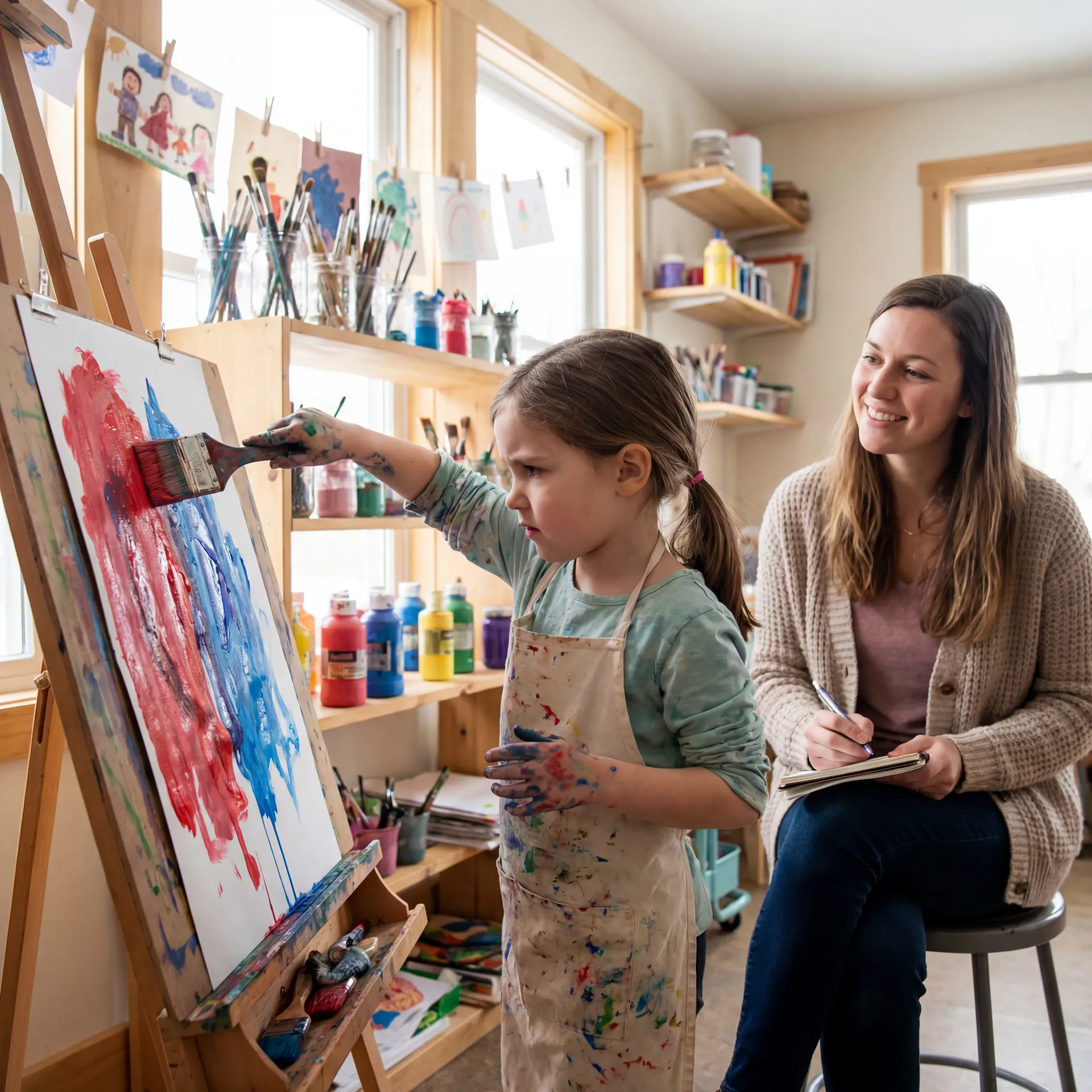
In a session with an art therapist, you might paint, draw, sculpt with clay, collage, or work with other materials. The therapist isn't judging your technique. Instead, they're paying attention to the process, the choices you make, and the feelings that surface as you create. The artwork becomes a starting point for reflection and conversation, often surfacing thoughts and emotions that are difficult to access through talking alone.
This works because creative expression engages different parts of the brain than verbal language. For someone who has experienced trauma, for example, distressing memories aren't always stored as words, which can make them hard to talk about directly. Creating an image can offer a safer, less overwhelming way to externalize an experience and begin to process it at a manageable pace.
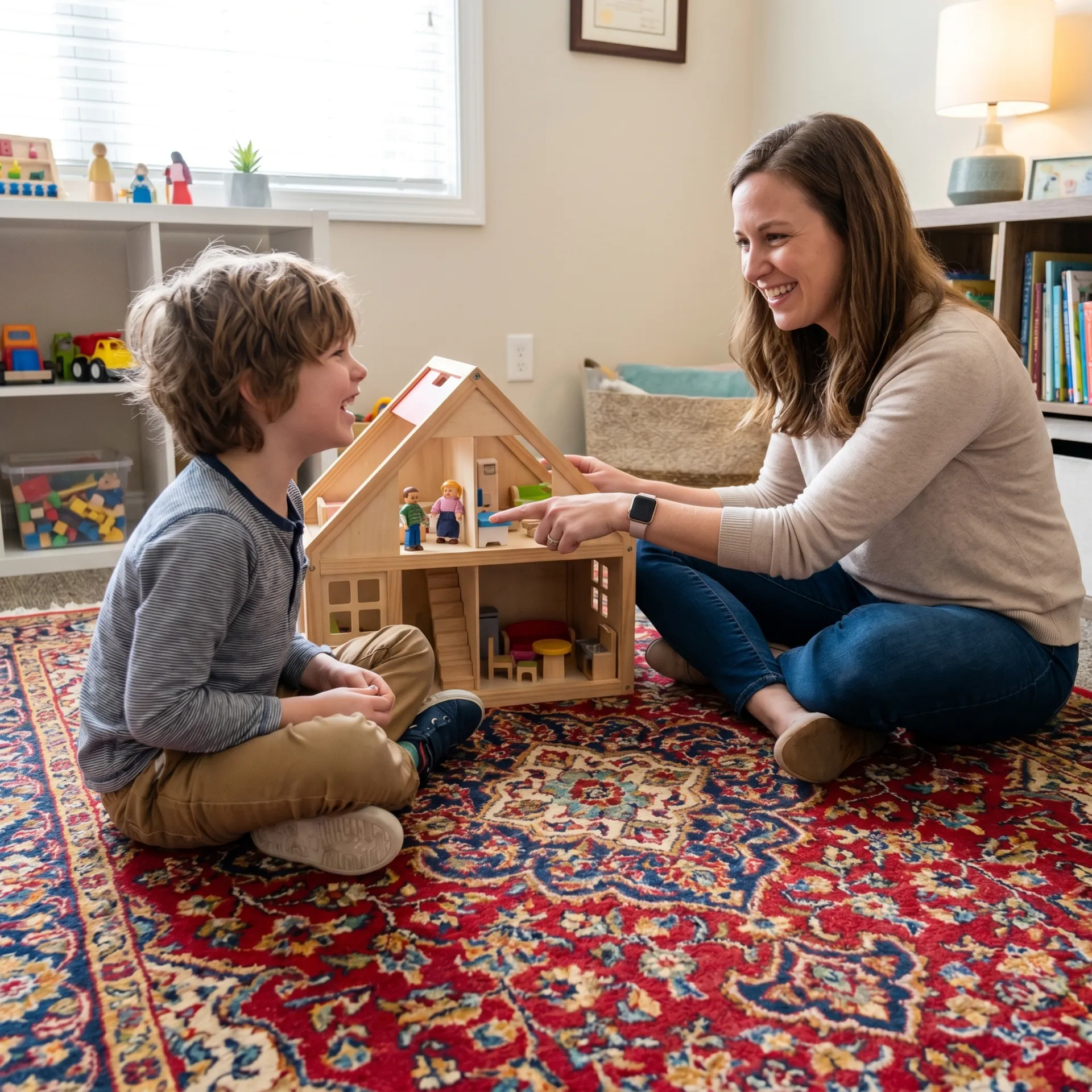
One of the strengths of art therapy is how adaptable it is. It can support people across a wide range of ages and challenges, including:
You don't need to identify as creative, or even enjoy art, to benefit. The materials are simply a tool, and the therapist guides the experience based on your comfort and goals.
It's worth clearing up a common misconception. Art therapy is not the same as an art class, and it's not simply a relaxing craft session, although it can feel calming. The difference is the presence of a trained therapist who is using established psychological principles to support your mental health. A registered art therapist holds specialized training in both art and clinical practice, which is what allows the creative process to become genuinely therapeutic rather than just enjoyable.
It's also not a replacement for other forms of support when those are needed. Art therapy often works beautifully alongside talk therapy, counselling, or other treatments as part of a broader plan for wellbeing.
If you've never tried it, the idea of art therapy can feel intimidating, particularly if you don't consider yourself artistic. In practice, most people find it surprisingly comfortable. A first session usually involves getting to know your therapist, talking about what brought you in, and gently exploring some materials with no pressure to produce anything in particular. There's no right or wrong way to do it, and the pace is always set by you.
Over time, many people discover that the creative process gives them a sense of release, self-understanding, and even moments of unexpected clarity. The goal isn't the finished piece. It's everything you learn about yourself along the way.
If this approach resonates with you, or you think it might help your child or a loved one, our team offers art therapy in Calgary with a registered, compassionate professional. Whether you're working through anxiety, trauma, grief, or simply looking for a different way to understand yourself, art therapy can open a door that words sometimes can't.
Related reading: How service dogs help children, How anxiety counselling helps, Adolescent counselling, Your first EMDR session and Hypnotherapy: what it is and is not.